

Historic Restoration
- Home
- Service Details
Historic Restoration
Contact Us
Get in touch with our team and we'll help you find the right support.
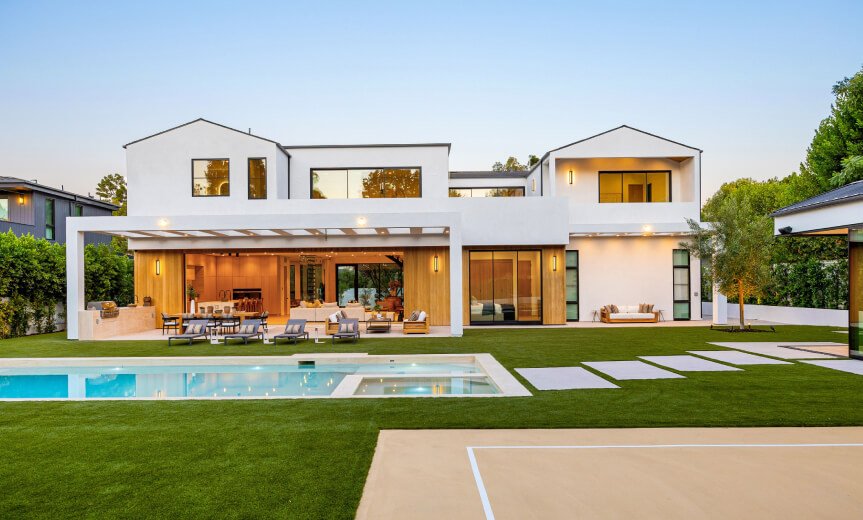
Historic restoration is where Main Line reBuild started, and it remains central to the firm’s work. Restoring a century-old property involves matching original masonry, repairing plaster rather than replacing it with drywall, and navigating the permitting requirements specific to protected or landmark buildings.
What Historic Restoration Involves
Every historic property presents its own combination of original materials, structural conditions, and preservation requirements. Restoration work typically involves assessing what original elements — masonry, woodwork, windows, structural framing — can be preserved, and what needs careful repair or reinforcement without compromising the building’s character.
Preserving Character While Modernizing
Behind preserved historic finishes, restoration projects generally require updating aging building systems — plumbing, electrical, and HVAC — while keeping that work invisible within the historic structure. The goal is a property that functions to modern standards without losing what made it worth restoring.
Our Experience
Main Line reBuild has applied this approach across several Main Line adaptive reuse projects, including the conversion of the historic United Methodist Church of Narberth into Narberth Place — a project that involved preserving 1929-era stained glass, vaulted ceilings, and original woodwork throughout the restoration.
Frequently Asked Questions
Restoration focuses on preserving and repairing a property's original architectural elements, while remodeling typically involves updating a space's layout or finishes without the same preservation requirements.
Yes. Most historic restoration work involves updating building systems and infrastructure behind original finishes, keeping character-defining features like masonry, woodwork, and windows intact.
Requirements vary by municipality, particularly for properties in designated historic districts. We handle the permitting process as part of every project.